Foundation Problem Symptoms: A Diagnostic Reference
Identify what you're seeing, categorize its severity, and find the detailed diagnostic page for your specific symptom.
What Are You Seeing?
Start by identifying the primary symptom you have noticed. Foundation problems rarely produce just one symptom — most homeowners eventually find two or three related signs. Start with the most obvious one and follow the links to understand what it indicates. Each symptom page explains what causes it, how to assess severity, and which other symptoms commonly appear alongside it.
Cracks in Walls or Foundation
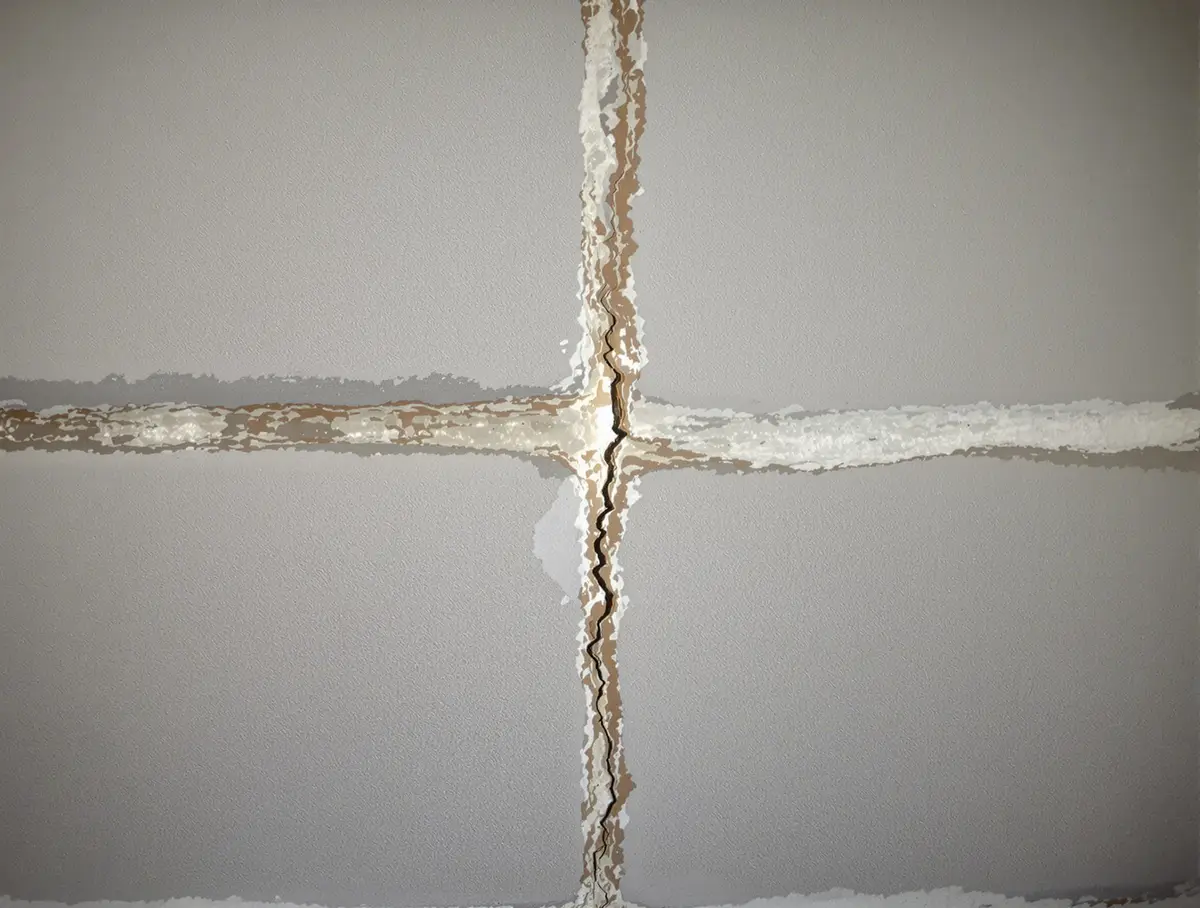
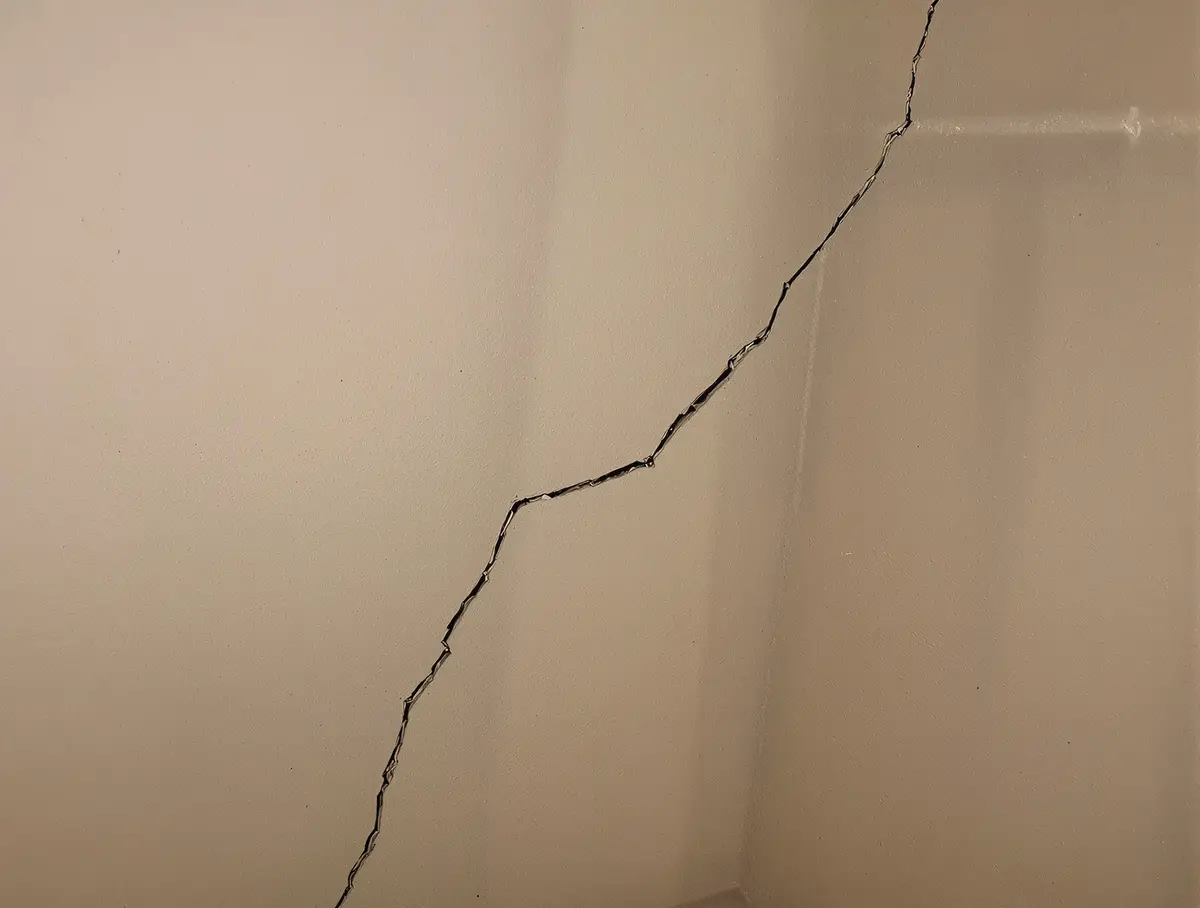
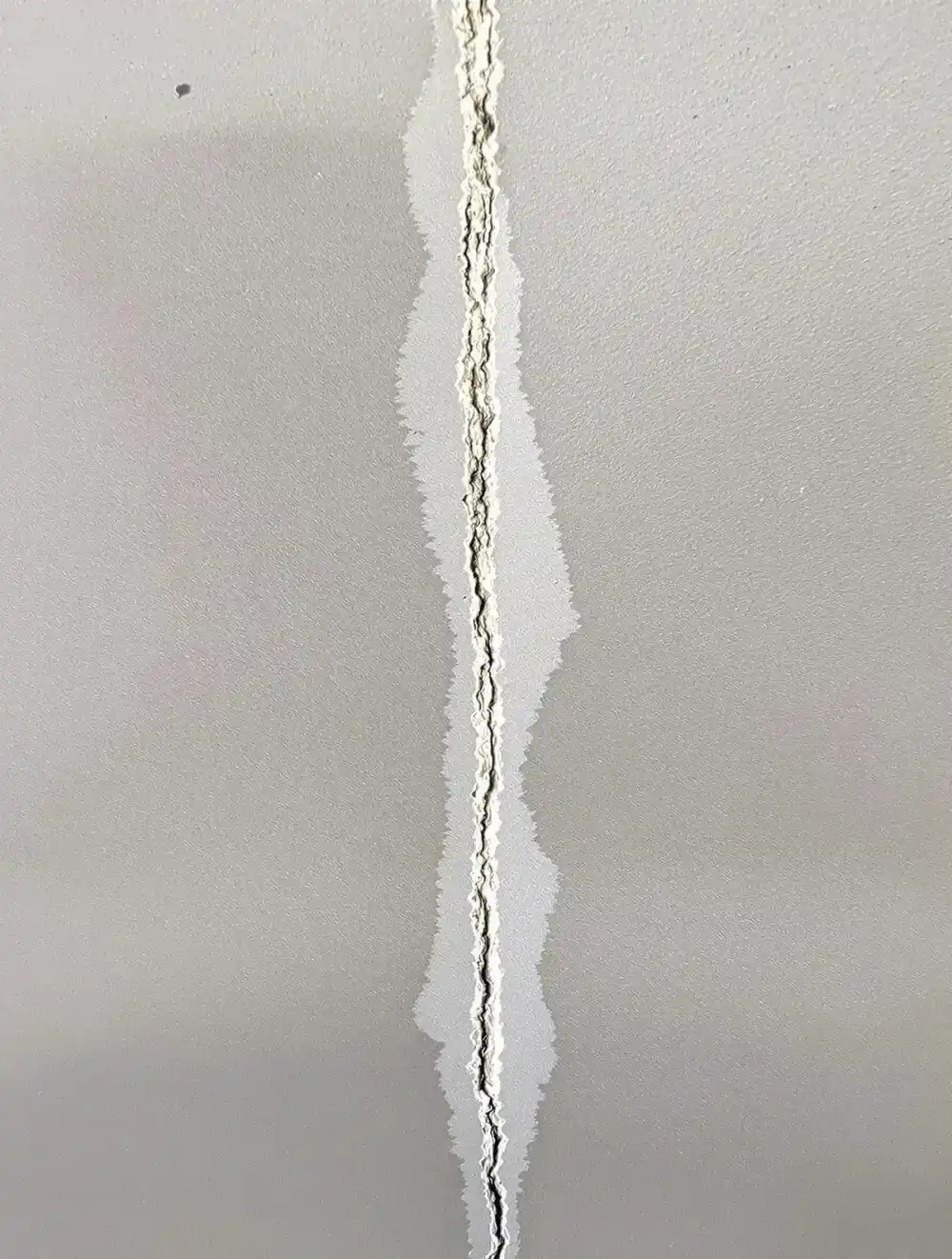
The type and direction of a crack reveals its cause. Stair-step cracks indicate settlement. Horizontal cracks signal lateral pressure. Vertical cracks may be shrinkage or settlement. Diagonal cracks point to differential movement.
- Crack Types Overview — Start here if you are not sure which crack type you have
- Stair-Step Cracks — Stepping pattern along mortar joints in block or brick
- Horizontal Cracks — Straight line across basement wall (most urgent)
- Vertical Cracks — Top-to-bottom cracks in poured concrete walls
- Diagonal Cracks — 45-degree cracks from corners of doors or windows
Movement, Shifting, or Separation
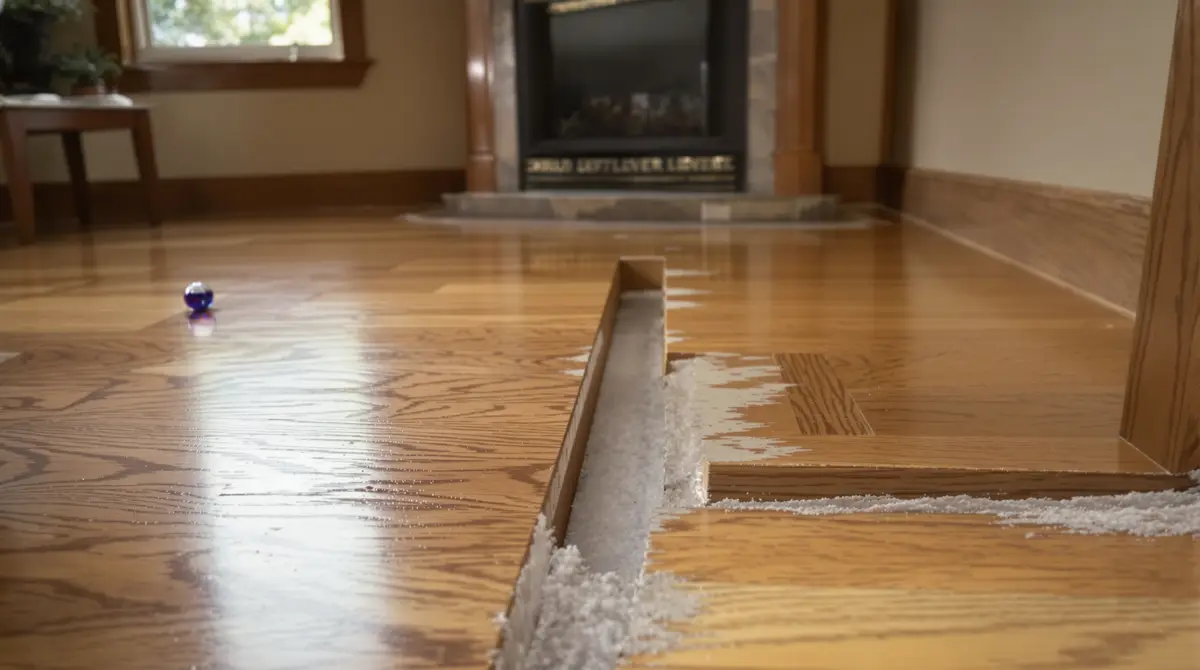
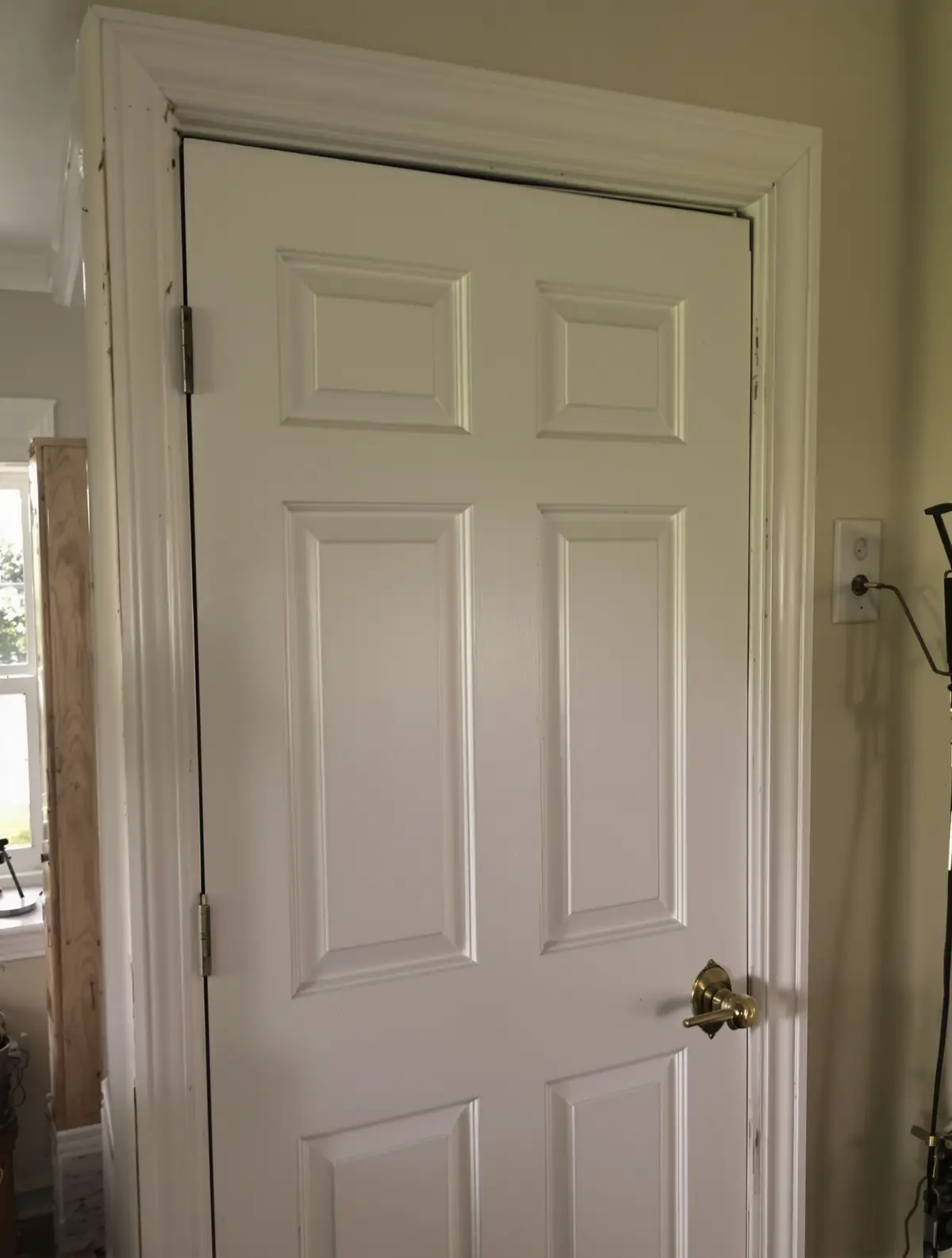
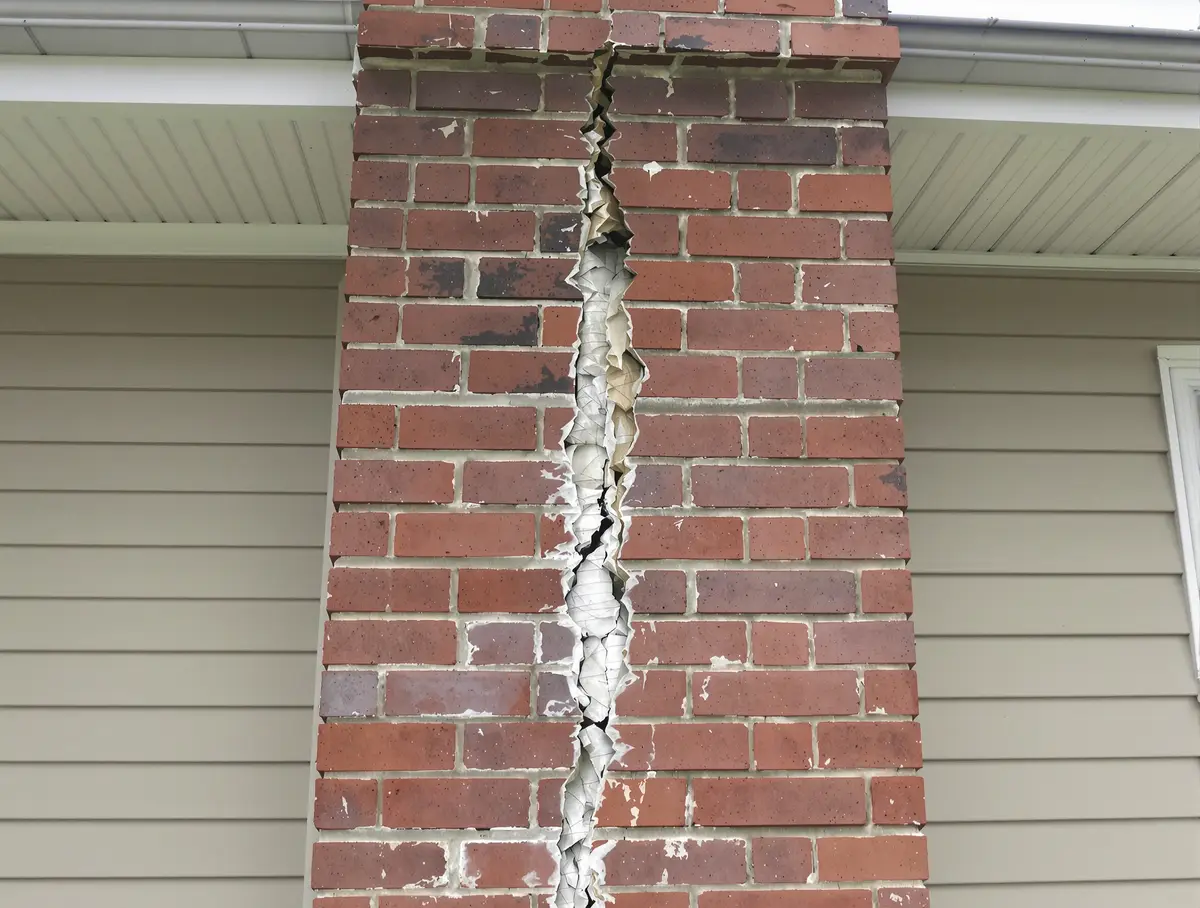
These symptoms appear when foundation movement shifts the structure above. Floors slope as footings settle unevenly. Doors and windows bind as frames rack out of square. Chimneys pull away when their independent footings settle at a different rate.
- Sloping Floors — Floors that tilt or feel uneven underfoot
- Sticking Doors and Windows — Doors that jam, drag, or won't latch properly
- Chimney Separation — Visible gap between chimney and exterior wall
Slab and Garage Floor Problems
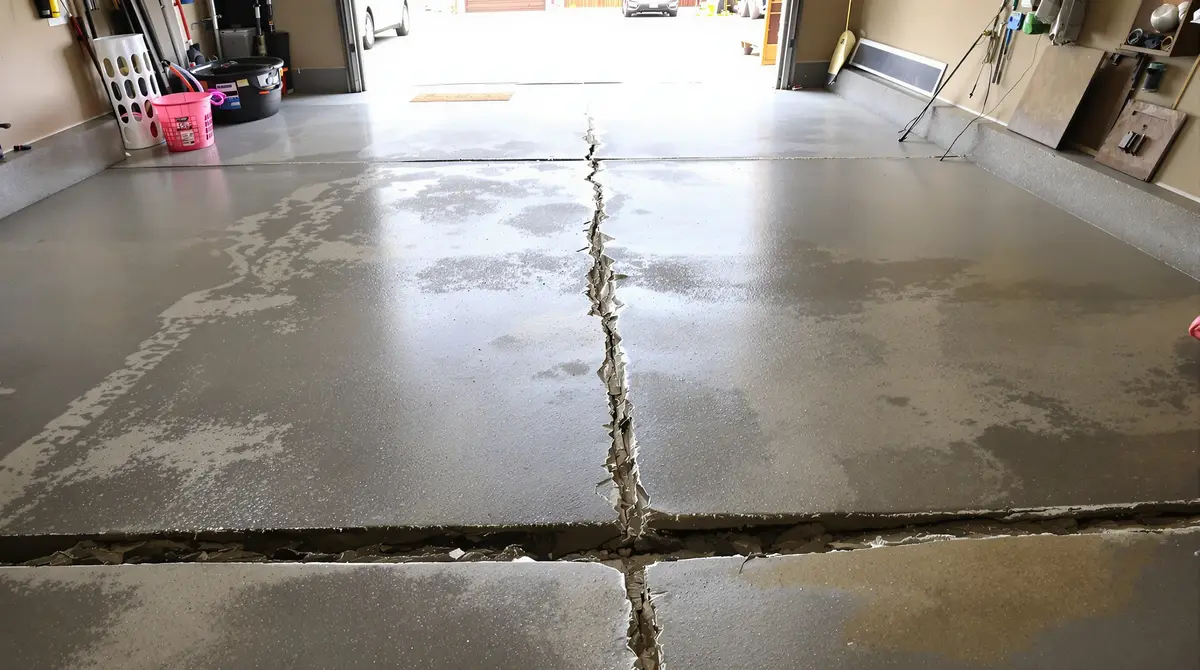
Sinking or separating garage floors indicate soil settlement beneath the slab. This is a different mechanism than structural foundation settlement — the slab sits on fill soil that compacts or erodes over time.
- Garage Floor Gaps and Sinking — Slab pulling away from walls or sinking at center
How Serious Is What You Are Seeing?
Not every foundation symptom is an emergency — but every symptom deserves attention. The severity of a foundation problem depends on the type of symptom, its magnitude (width, displacement, gap size), and whether it is actively changing. Use the framework below as a starting point, then read the detailed severity assessment on the specific symptom page.
| Severity | What You See | Action |
|---|---|---|
| Monitor | Hairline cracks (under 1/16"), minor sticking in humid weather, single small crack with no other symptoms | Mark crack endpoints with dated pencil marks. Photograph quarterly. Monitor through one full seasonal cycle (12 months). |
| Evaluate | Cracks 1/16" to 1/4" wide, floors with noticeable slope, doors that stick year-round, stair-step cracks in block walls, chimney gap under 1/2" | Get a professional evaluation. A structural engineer ($400-$800) provides an independent assessment not tied to a repair sale. |
| Act | Cracks wider than 1/4", any horizontal crack in a basement wall, visible wall displacement or bowing, chimney gap over 1/2", floor slope exceeding 1" per 10 feet, multiple symptoms appearing together | Get professional evaluation immediately. Active structural movement is progressive — every seasonal cycle increases the scope and cost of repair. |
Multiple symptoms appearing together always warrant professional evaluation. A single hairline crack is monitoring territory. A hairline crack plus sticking doors plus a sloping floor is a pattern that suggests active settlement — even if no individual symptom seems severe on its own. The combination matters more than any single indicator.
Do Symptoms Differ Between Kansas City and Des Moines?
The same structural symptoms appear in both markets, but the underlying mechanisms differ — which affects how fast symptoms progress and which symptoms appear first. Kansas City's Wymore-Ladoga clay (60-80% clay content) produces dramatic shrink-swell cycling that drives settlement and stair-step cracking. Des Moines' glacial till creates persistent hydrostatic pressure against basement walls, making horizontal cracks and wall bowing more prominent. For detailed soil mechanics, see the foundation science page.
| Pattern | Kansas City | Des Moines |
|---|---|---|
| Most common first symptom | Stair-step cracks in block walls, diagonal cracks at window corners | Horizontal cracks at mid-wall height, water seepage along cracks |
| Primary driver | Shrink-swell clay cycle (seasonal) | Hydrostatic pressure (persistent) |
| Peak symptom season | Late spring through early summer (May-July) | Spring snowmelt and heavy rain (March-June) |
| Highest-risk housing era | 1940s-1960s (30.72% of KC housing stock) | Pre-1970 block foundations on glacial till |
Where to Go After Identifying Your Symptom
Once you have identified your symptom and assessed its severity, these resources connect diagnosis to action.
- The Complete Foundation Guide — Full problem-to-resolution walkthrough
- Foundation Science — Why Midwest soils cause these symptoms
- Repair Methods — How each repair system addresses different failure modes
- Cost and Economics — What repairs cost and how to evaluate estimates
- Structural Integrity Score — Free assessment tool to evaluate your home's condition
- Kansas City Risk Atlas — Local soil and risk data by suburb
- Des Moines Risk Atlas — Local soil and risk data by suburb